National Resources on Police Violence
MuckRock Foundation
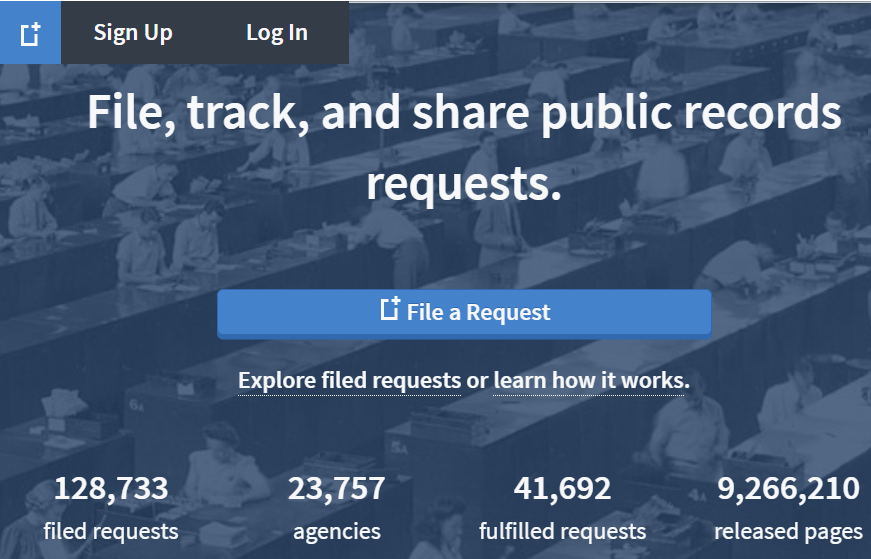
MuckRock “is a non-profit, collaborative news site and public resource that brings together journalists, researchers, activists and regular citizens to request, analyze, and share government documents, making politics more transparent and democracies more informed.” They also maintain a repository of requested government data as well as information on how to file requests.
Mapping Police Violence Project:
This project is the most comprehensive accounting of people killed by police since 2013. Through powerful data visualization, the MPV shows the extent of police violence in the United States.

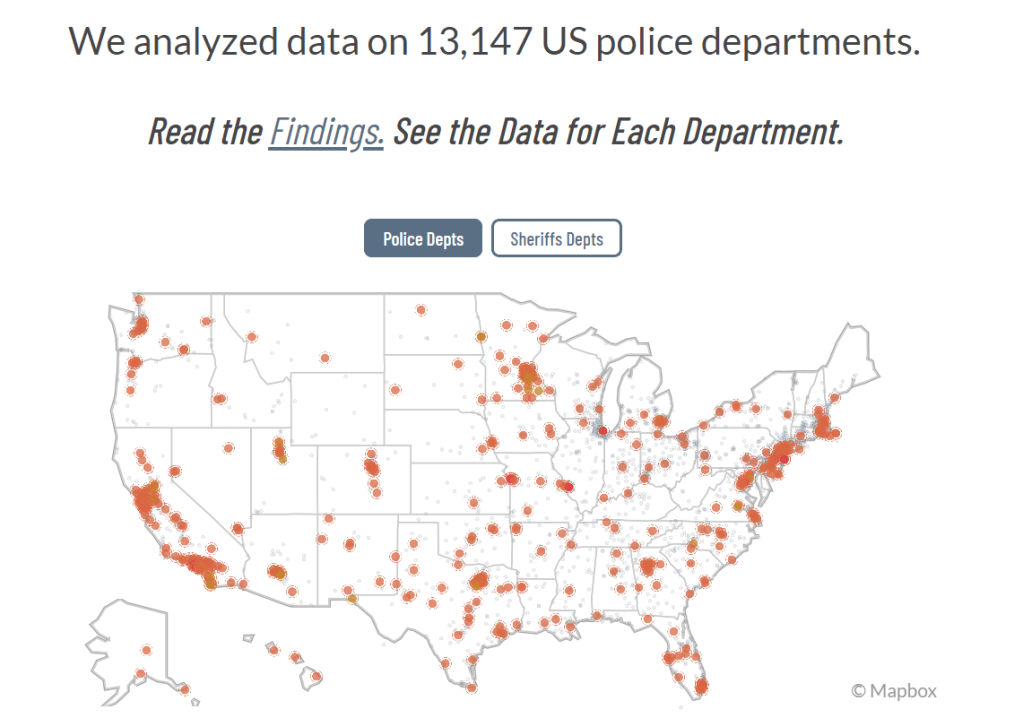
Police ScoreCard: This Project “is the first nationwide public evaluation of policing in the United States. The Scorecard calculates levels of police violence, accountability, racial bias and other policing outcomes for over 16,000 municipal and county law enforcement agencies, covering nearly 100% of the US population.”
State-Level Projects on Police Misconduct
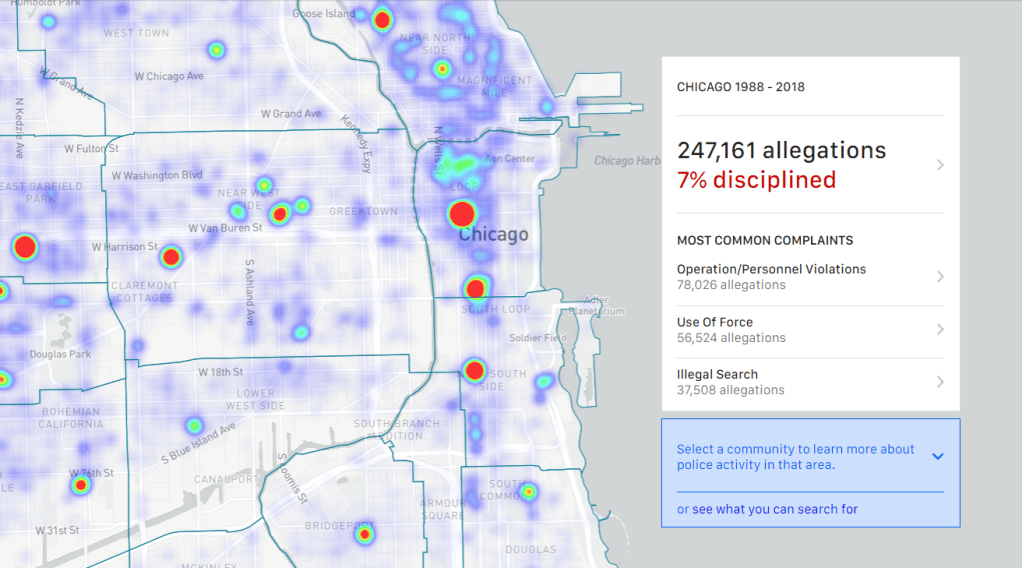
Chicago, IL: The Invisible Institute’s Citizens Police Data Project (CPDP) “takes records of police interactions with the public – records that would otherwise be buried in internal databases – and opens them up to make the data useful to the public, creating a permanent record for every Chicago police officer.”
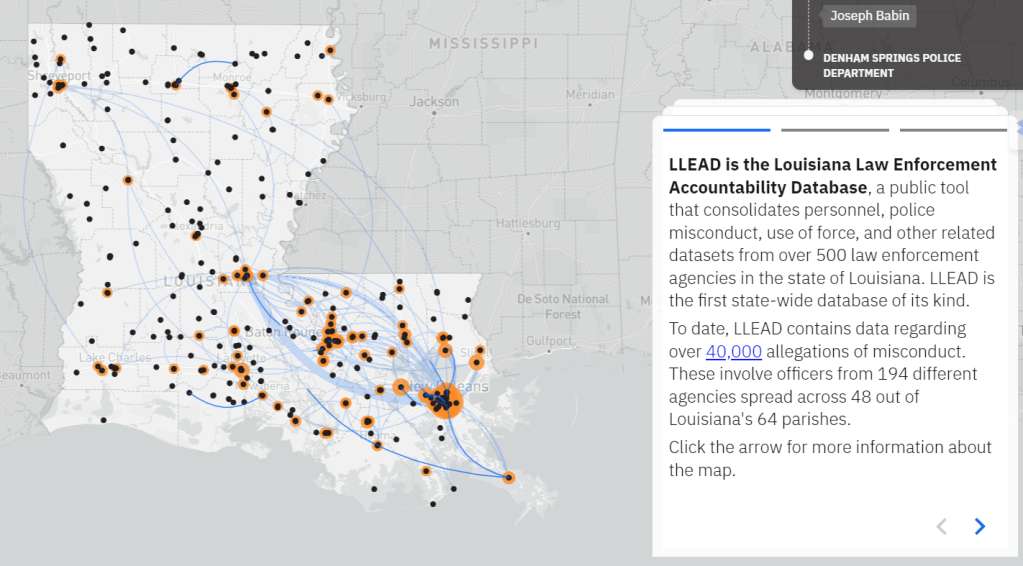
Louisiana: Louisiana Law Enforcement Accountability Database (LLEAD) “is a public tool that consolidates personnel, police misconduct, use of force, and other related datasets from over 500 law enforcement agencies in the state of Louisiana. LLEAD is the first state-wide database of its kind.”
HRDAG’s analysis and expertise continues to deepen the national conversation about police violence and criminal justice reform in the United States. In 2015 we began by considering undocumented victims of police violence, relying on the same methodological approach we’ve tested internationally for decades. Shortly after, we examined “predictive policing” software, and demonstrated the ways that racial bias is baked into the algorithms.
HRDAG worked on the CPDP and LLEAD projects in Chicago and Louisiana.
Read “Police Violence in Puerto Rico: Flooded with Data” to learn more about HRDAG’s work with Kilometro Cero in Puerto Rico.







 The Reinvestigation Workgroup